Contents
Smart Strategies to Sell Products from Your Massage Business
The real truth is, if you're NOT selling products after you deliver a great session, you're leaving money on the table and missing out on some great good will fostering. That said, if you've never sold products before, it's easy to feel like you're out of your depth.
Indeed every massage therapist could benefit from offering products and earning more...without having to put in a ton of extra work. Products make that possible. The idea of selling products may seem strange at first, but we'll walk you through how to do it right. You simply need to learn how to introduce the right product at the right time for your client. After all, you're not a retail store, you're a massage therapist. Therefore, the way you need to approach products will be client-oriented (just like upselling).
In this blog, we'll provide a step-by-step process for naturally introducing your clients to products, setting products up for success, and navigating the nuanced discussion of pricing and profit.
Step 1: Think About Products Like a Pro (Not a Pushy Salesperson)
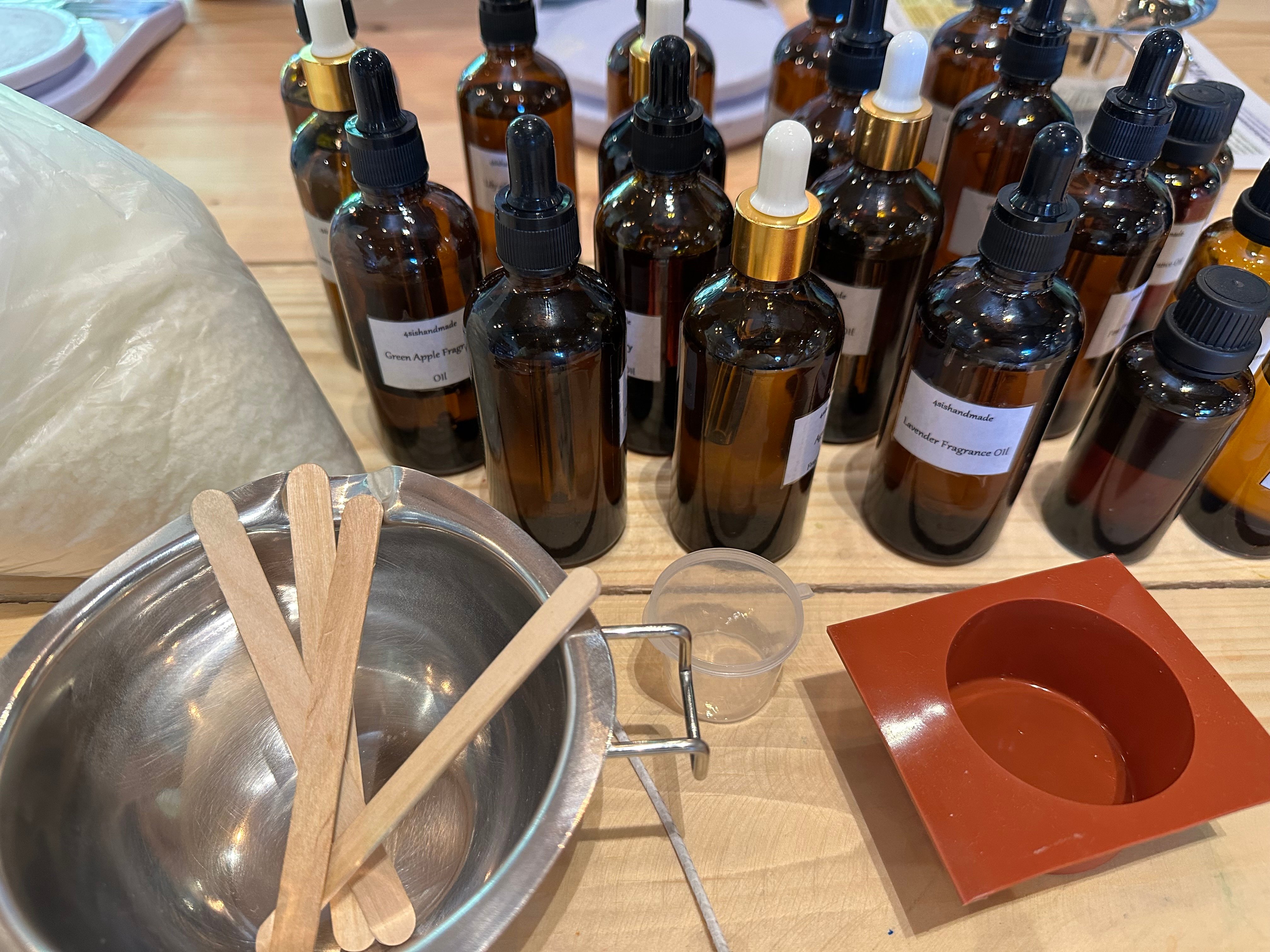
The best place to start with products is to identify products you actually use and already trust.
If you're keeping the client in mind, the last thing you want to do is suggest a product that you don't fully trust to give them great results. You also wouldn't start by recommending something you wouldn't use.
Don't think of this as pushing products on people. Instead, your goal should be to recommend products that extend the work you do in-session. By stocking products you already trust, you can be confident when recommending them since you're not selling from theory, but sharing from experience.
For this step, grab a pen and paper and start writing down any products you use and trust relevant to your profession. Feel free to list products or even brands that stand out to you. If you're undecided about the brand or product, jot it down anyway. You'll come back to pare down the list later.
If you get stuck, ask yourself what would help your clients from day to day. Your list might include:
- Foam rollers
- Topical creams
- Muscle rubs
- Trigger point balls (or tennis balls)
- Hot or cold packs
- Bath soaks
- Natural products
- Essential oils
Build your list, let it sit, and then come back to it later to see if you can condense it to the products you genuinely love and trust. This will help you decide what to offer first. You can always extend this list of products later, but it's best to start small when offering products for the first time.
Starting with products you love makes it easier to talk about them and for clients to trust your recommendation. Like any type of selling you do as a massage therapist, the goal is always to provide a solution to the problem your client is expressing. This mindset shift is crucial for selling success as an MT. You're not selling your client, you're helping them.
Step 2: Choosing the Right Products (Without Wasting Money)
You don't need to go all-in on inventory right away. In fact, this can be one of the biggest traps for MTs when starting to offer products. You don't want to do a huge buy-in and offer too much too soon. By keeping your initial investment small, you can start with a small sample size, see what works, and then adjust as necessary.
Choose a handful of items, three to five at most, and ensure they're products you've personally used and can confidently recommend. These products should be something your clients can see themselves using. You don't want to start with highly niche, complicated, or expensive products. Once you figure out what people tend to buy, you can reorder more as you go.
Where you buy matters, too. Try and find wholesalers that let you purchase products in small quantities. You can also talk to potential vendors about starter kits.
We'll get into pricing and profit momentarily, but take this time to figure out what your products are going to cost. Research who offers what products for what prices, and see if you can narrow it down to only a few vendors that you can build a good relationship with. You don't want to stretch yourself too thin and buy every product from a different vendor.
Before placing any big orders, consult your trusted clients to see what they'd be interested in. This way, there's no need to guess if you don't have to.
If you're looking for another way to figure out what to stock, consider checking out what other MTs are offering. You're certainly not the first MT to offer products. Check out what others in your field have on display or in their online stores. You'll probably come across a few shared items. Better yet, feel free to open up a conversation with the MT about what actually sells in their stores (if they're open to sharing it).
Stick with products that align with your brand and your clients. If you run a practice with a calm, holistic vibe, you probably aren't selling neon foam rollers or overly clinical pain sprays, for example.
Be mindful of what's in the items you choose, as well. Some clients are particularly concerned about the ingredients in their products, so if you opt for natural or organic options, be sure to emphasize this.
You might think that starting with so few products makes you seem less professional. However, having a tight collection of solid products shows that they've been carefully curated rather than cluttered and chaotic.
Step 3: Know How to Price for Profit (Without Scaring Off Clients)

Pricing your products can be intimidating. Take it from us that you don't need an MBA to figure this out. You just need to be smart about your costs and your financial and sales goals.
You definitely need to price products in a way that will make you money, but that also won't scare away your clients. At the same time, underpricing will cut into your bottom line and chip away at your confidence.
The ideal starting point is to aim for a 50% margin, which usually means doubling your wholesale cost. In other words, if you've done the math and the bottle of topical cream you bought wholesale comes to $8 per bottle, you'd sell it for $16.
That puts you right around the standard retail price and keeps the math very simple. Don’t worry too much about how that price stacks up to your local stores. Even if it winds up being slightly more than the store price, you offer the convenience of them being able to buy it and take it home right after their treatment.
Don't forget to keep track of all of your sales. This will allow you to set sales goals for yourself and stay mindful of the progress you're making. You can set a goal for getting that new table or saving up for other equipment upgrades. Instead of setting a specific monetary goal, maybe your goal is to sell four balms this month. Just don’t be afraid to celebrate when you hit your goals.
By tracking product sales, you can also keep a close eye on which products move and which don't, so that you can make smarter buying decisions.
To track sales, you don't need fancy software. You can stick with a basic spreadsheet or a simple notebook to monitor what sells, how much you've made, and what you need to reorder.
Of course, if you want to keep things as simple as possible and track everything in one, unified platform designed just for MTs, check out MassageBook. You can use it to book clients, accept payments, and track gift card or product sales.
Step 4: Set Up Your Products (and Track What Works)
Now that you know which products to stock and how to price them for profit like a pro, how do you set them up to sell?
First, designate a small, clean, visible area near your checkout desk. You can also create a setup by the seating area if that makes more sense for your layout.
Set out your products in a way that allows them to breathe. You must keep this area neat. You may need to reset them if your clients get curious but don't return them to their exact position or orientation. To some extent, you want to let the product speak for itself. At the same time, you should create an easy-to-read sign that explains what the product is, what it does, and whom it helps. This little card or sign is a great opportunity to sell through information, so do your best to write an enticing description.
Keep your extra inventory organized and tucked away in the back. If you want to put in a little extra work now that will make your life easier later, create a system that allows you to organize your additional stock, including when and where you bought it. This makes reordering easy as you track what sells successfully. If you're not ready to do this yet, just store your additional stock safely in a storage bin.
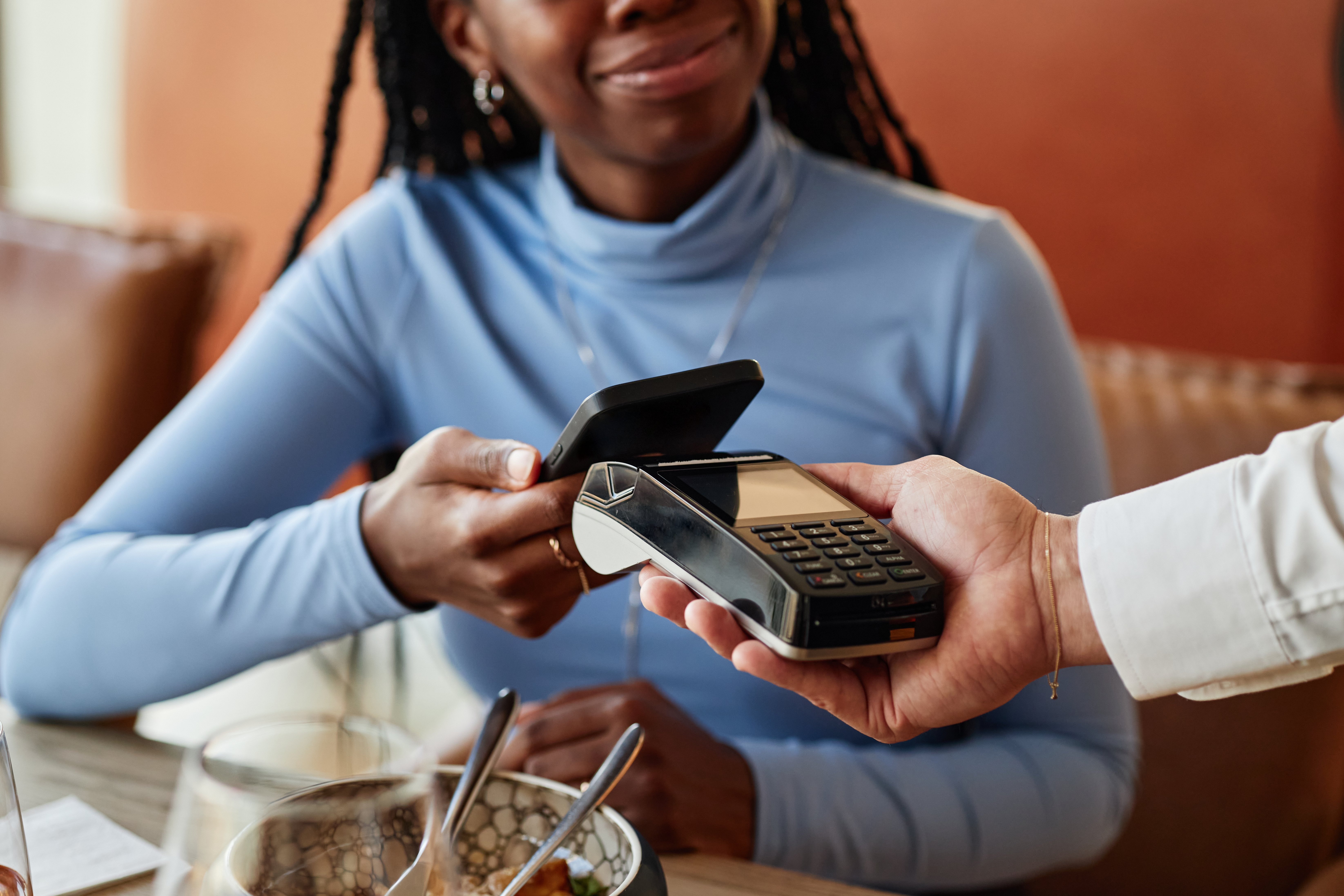
When it's time for your client to buy a product, ensure that it's easy to process their payment. If you're using MassageBook, you can easily add products to your client's session. You could also use a POS reader or Stripe (or similar payment processor). Offering different payment options for your clients makes it easier for them and adds to your credibility as a professional.
As you track sales of your products, keep an eye out for any patterns. Certain items may move faster around the holidays. People may ask about specific products during their session. Note anything that stands out to you, as you might be uncovering highly useful information that you can use to your advantage.
At first, it may not seem like products contribute significantly to your bottom line, but think about how much $100 or $200 in additional sales can help cover your expenses or offset no-shows.
Step 5: Introduce Products at the Right Time
The best advice we can give on timing your "selling" (which we're going to think about as "helping") is to share about your products when it feels natural.
You might mention it during the session, bring it up when they come in (and refer to something from the last session), or make your suggestion at checkout.
Just like we covered in our guide to upselling, the best way to sell products is to tie them to specific insights or areas of concern. Each product recommendation should be supported by a key takeaway from the session or a method to amplify its impact.
We don't love giving the answer "it depends," but the timing here really does depend on your personality, client comfort level, and most importantly, how the conversation flows naturally. You should never be in a position where you're pushing the client to buy something they don't need or want.
You need your client to feel cared for, not sold to. If you're unsure what to say when making a recommendation, keep it simple. If you're using a product during a session, you can say something like, "This is the muscle balm I've been using. It helps loosen up sore spots." That's it. If they ask about it or want to learn more, you can share more information. If not, no worries, maybe they'll bring it up later when they see it at the checkout counter.
As long as you're making recommendations with confidence and care in mind, you're helping your clients, not selling to them. The more you practice this, the easier it gets.
That's not to say these are the only times to bring up your products. Feel free to post about what you offer on your social media or include them in your email campaigns. You can use them to highlight new products or mention what's selling well, and encourage your clients to check them out.
Helping Your Clients Doesn't Have to Stop When the Session Ends
Extending your care beyond the table while increasing your income is easy with the right products, as long as you choose them carefully and recommend them with care.
Start small and stock smart. Use your products to build trust and enhance your client's experience between sessions.
Learn what your clients love, adjust your product strategy as you go, and don't be afraid to share new or best-selling items with them. Soon enough, they’ll come and share how your product made a difference in their lives.
When you start to see a few extra sales roll in each month, you’ll realize that this isn’t just an additional source of income, but a way to provide a fantastic, caring experience for your clients without adding stress to your schedule.
For more financial tips that positively impact massage businesses, check out our blogs on the following topics:
1. Knowing your Massage Business Numbers
2. Five unique ways to fund your new Massage practice
3. Bookkeeping for Massage therapists
4. Overcoming your money blocks as a Massage therapist
Start your free trial or learn more about MassageBook